


Tajima Wagyu Origin and Kobe
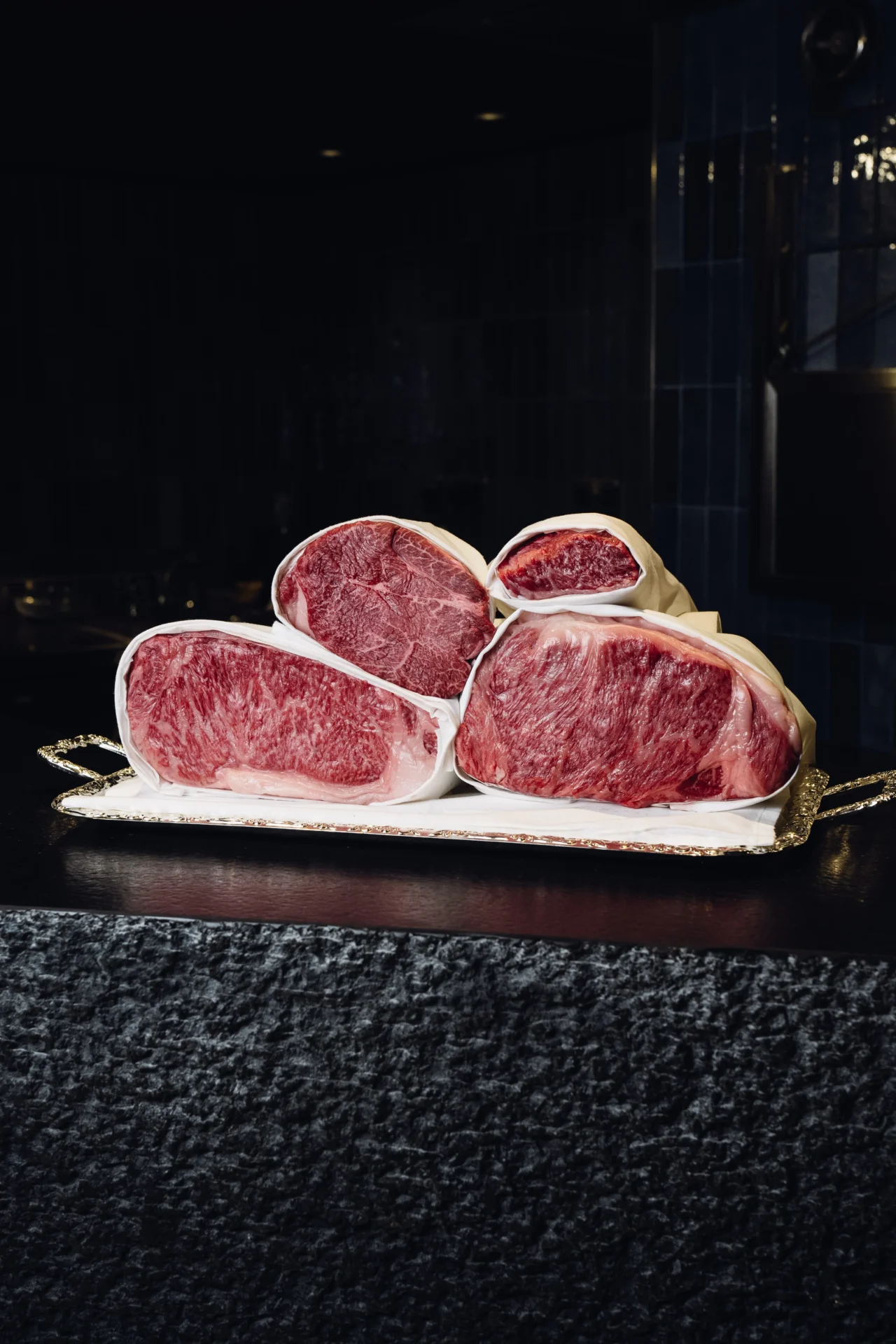
Tajima wagyu origin shapes the essence of Kobe beef, delivering luxury, tenderness, and unmatched flavour for discerning diners. However, few know that Kobe’s fame begins with Tajima cattle. These animals form the genetic backbone of Kobe beef, ensuring every bite meets strict standards. By understanding this lineage, connoisseurs can appreciate not just the taste, but also the heritage behind each cut.
The Tajima Wagyu Origin Story
A Historic Breed
 Tajima cattle originate from the Hyōgo Prefecture in Japan. Farmers in this region bred cattle for centuries under unique conditions. These conditions shaped cattle with refined meat quality and strong marbling. Over time, their genetics became the foundation for Wagyu excellence.
The Basis of Kobe Beef
Kobe beef comes only from Tajima-line cattle born, raised, and processed in Hyōgo. Without Tajima genetics, Kobe beef would not exist. The link is absolute, which protects Kobe’s identity and guarantees consistency. Therefore, when someone eats Kobe beef, they are tasting the result of centuries of Tajima breeding.
Why Genetics Matter
Marbling and Texture
Tajima cattle pass on a genetic trait for fine intramuscular fat, known as marbling. This marbling melts during cooking and enriches every mouthful. As a result, the beef feels tender, buttery, and intensely flavourful.
Purity and Standards
Kobe beef regulations demand pure Tajima lineage. Each animal must trace its ancestry back without crossbreeding. This strict approach safeguards the beef’s unique characteristics. Moreover, it ensures buyers know they are paying for authentic quality.
Kobe Beef and Tajima Wagyu Origin
Rigorous Rules
Not every Tajima cow produces Kobe beef. Instead, only cattle meeting strict weight, fat, and quality standards qualify. The beef must also come from steers or virgin heifers. Additionally, graders must confirm the meat’s marbling score and texture.
Protected Prestige
Because of these rules, Kobe beef holds global prestige. Other Wagyu varieties may impress, yet Kobe remains unmatched for consistency and reputation. This protection means diners enjoy something truly rare.
The Connoisseur’s Perspective
Value in Heritage
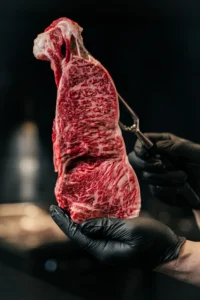 For connoisseurs, heritage enhances the dining experience. Knowing the beef’s Tajima roots elevates appreciation. After all, food is not just about flavour, but also about story. The Tajima lineage connects each slice to a rich Japanese tradition.
Comparing Wagyu Varieties
While Wagyu comes from several strains, none match Tajima for Kobe standards. For instance, other strains may deliver more size or faster growth. Yet, Tajima remains unique for marbling finesse and depth of taste. Connoisseurs often compare varieties, but Kobe’s Tajima roots give it an edge.
Tajima Wagyu Origin Worldwide
Wagyu Worldwide
Today, breeders in countries such as the UK, Australia, and the US work with Wagyu genetics. However, true Kobe remains exclusive to Japan. Still, Tajima bloodlines shape much of the premium Wagyu found globally.
Education for Consumers
Understanding this helps diners make informed choices. When a menu lists Wagyu, origins matter. Was it Kobe, pure Tajima, or a crossbreed? Educated consumers value authenticity and reward restaurants that respect heritage.
Conclusion
Kobe beef’s reputation as the world’s most famous Wagyu rests firmly on Tajima cattle. Their genetics, purity, and marbling create an unmatched experience. For connoisseurs, knowing this lineage adds depth to every meal. From pasture to plate, the story of Tajima ensures Kobe remains not just beef, but a cultural treasure.