
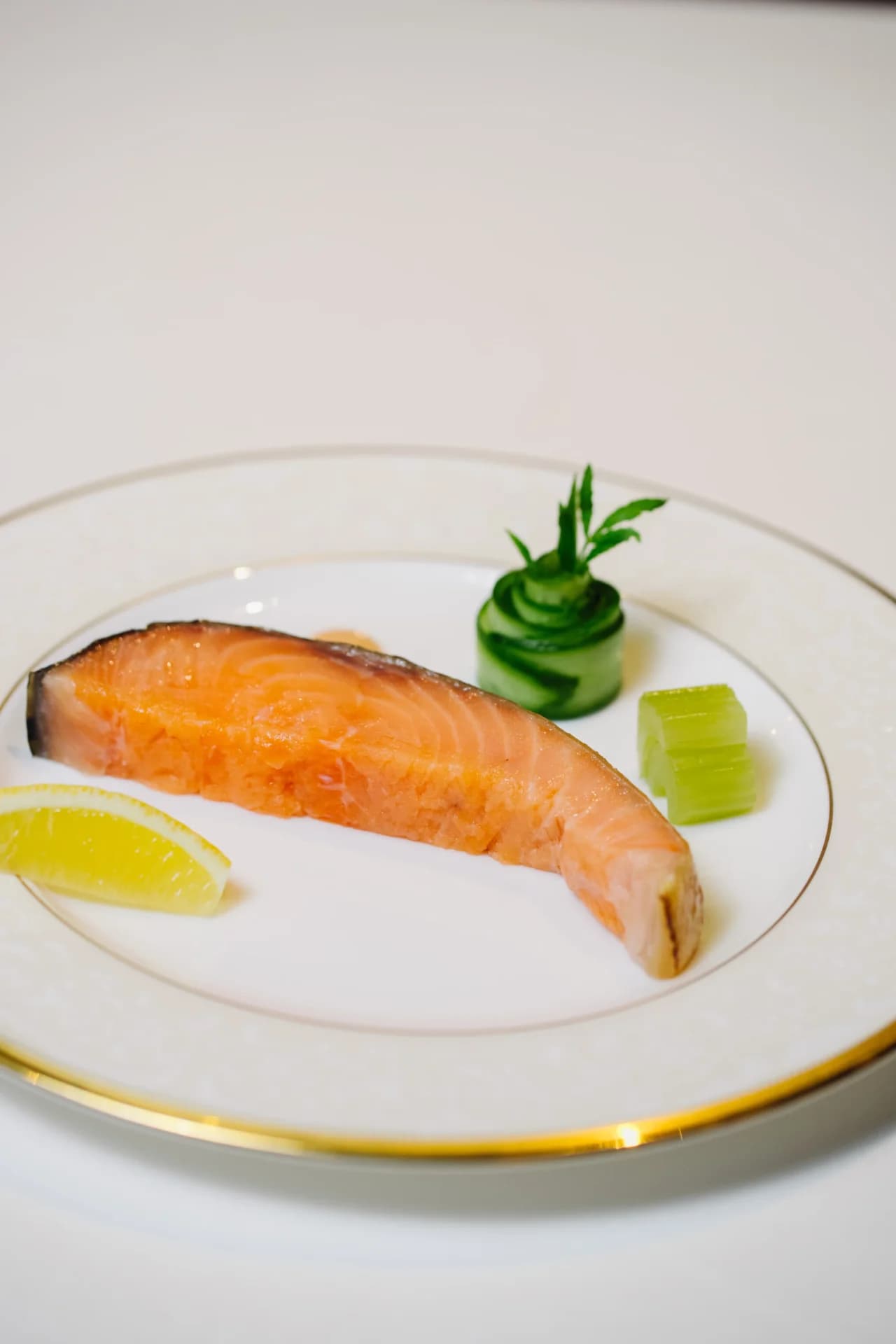
Seasonal Japanese flavours go far beyond sushi, offering rich traditions, regional dishes, and dining customs that captivate every palate. Yet the country’s cuisine extends far beyond raw fish and rice. Japan’s dining culture is shaped by regional traditions, philosophies of balance, and a deep respect for nature. Every dish, whether humble or refined, reflects a blend of heritage and innovation that continues to captivate diners worldwide.
Seasonal Japanese Flavours and Traditions
A Harmony of Old and New
Japanese food has centuries of history, yet it remains open to reinvention. Classic methods such as steaming and grilling live alongside creative modern techniques, ensuring the cuisine respects tradition without becoming static.
The Importance of the Seasons
At the core of Japanese cooking is shun – the celebration of seasonal produce. Spring brings bamboo shoots and cherry blossom sweets, while autumn ushers in earthy mushrooms and chestnuts. This seasonal rhythm ensures dishes are not only delicious but also deeply connected to the natural world.
The Taste of Umami
Moreover, umami, the “fifth taste,” defines much of Japanese cuisine. For example, it is found in miso, soy sauce, kombu seaweed, and mushrooms, providing depth and savoury satisfaction. Consequently, chefs balance umami with sweet, salty, sour, and bitter notes, creating dishes that feel harmonious and complete.
Seasonal Japanese Flavours in Iconic Dishes
Ramen: Everyday Comfort
Beyond sushi, ramen is Japan’s most beloved comfort food. Each region has its own take, from Hokkaido’s rich miso broths to Tokyo’s lighter soy versions. With chewy noodles, flavourful stock, and toppings like pork slices or soft-boiled eggs, ramen is both affordable and soul-warming.
Tempura: Crisp Perfection
Tempura turns frying into an art form. Vegetables and seafood are dipped in feather-light batter and fried quickly at precise temperatures. The result is a crisp, delicate coating that highlights, rather than hides, the ingredient’s flavour.
Kaiseki: Japan’s Fine Dining
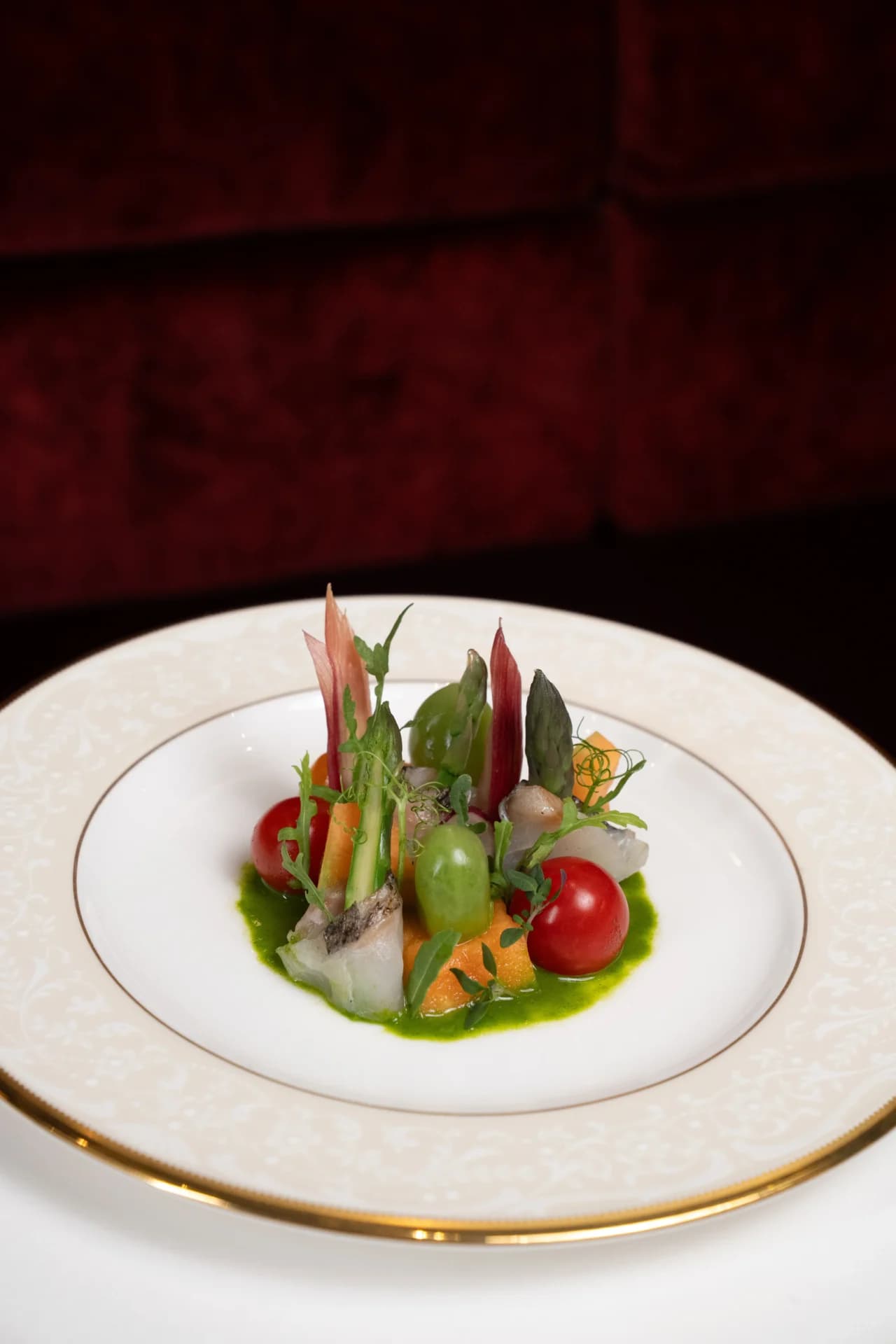
Indeed, kaiseki represents the pinnacle of Japanese gastronomy. Furthermore, this multi-course meal weaves seasonal ingredients into an elegant sequence of appetisers, soups, sashimi, grilled dishes, and desserts. Finally, presentation is as important as flavour, since each plate is crafted to reflect nature and balance.
Techniques at the Heart of Cooking
The Precision of Sashimi
Sashimi, thinly sliced raw fish, requires extraordinary skill. Every cut must be precise to achieve the ideal texture. Only the freshest fish are used, emphasising Japan’s devotion to quality and purity.
The Charcoal Craft of Yakitori
Yakitori skewers are a staple of izakayas, or Japanese pubs. Grilled over charcoal, they range from tender thigh meat to crisp chicken skin, brushed with sauce or simply salted. Beyond chicken, grilling enhances vegetables, seafood, and tofu, giving a smoky edge without overpowering.
Seasonal Japanese Flavours and Dining Etiquette
Respect at the Table
Before eating, diners say “Itadakimasu” – a phrase of gratitude. After the meal, “Gochisousama deshita” thanked the cook. Modest portions help avoid waste, reflecting a culture that values mindfulness and respect for food.
Presentation with Purpose
Japanese chefs treat plating as an art. Colours, shapes, and tableware are carefully chosen to complement the food and season. A meal is as much a feast for the eyes as for the palate.
Sharing and Connection
Meals often involve sharing dishes placed in the middle of the table, while each person has their own rice and soup. This communal style fosters a sense of togetherness at the dining table.
Street Food Culture
Takoyaki: Festival Favourite
Takoyaki – golden, ball-shaped snacks filled with diced octopus – are a festival staple. Topped with sauce, mayonnaise, and bonito flakes, they are fun, comforting, and delicious.
Okonomiyaki: The Savoury Pancake
Okonomiyaki, which translates as “grilled as you like it,” is a customisable pancake. Osaka mixes cabbage, meat, and batter together, while Hiroshima layers noodles, vegetables, and toppings. Both versions are hearty and satisfying.
Yatai: Japan’s Street Stalls
Yatai, or street food stalls, bring energy to festivals and busy streets. Serving yakitori, taiyaki, or shaved ice, they offer affordable bites and create a lively, social atmosphere.
Regional Specialities
Hokkaido: Treasures of the Sea
Moreover, Hokkaido’s cold waters yield Japan’s finest seafood, from crab and scallops to the prized creamy sea urchin. Consequently, local markets bustle with visitors eager to sample sashimi or seafood rice bowls, highlighting the island’s natural abundance.
Kyoto: Refined Simplicity
Kyoto’s cuisine reflects Zen Buddhist traditions, focusing on vegetarian delicacies. Dishes such as tofu hot pots and seasonal pickles embody restraint and elegance, with flavours that emphasise purity over complexity.
More Than a Meal
Japanese cuisine is more than sustenance – it is philosophy, art, and connection rolled into one. From a steaming bowl of ramen to a kaiseki banquet or festival street snacks, every experience reflects respect for ingredients and the rhythms of life. For those who explore it, Japanese food offers not just flavours, but a deeper understanding of culture itself.