
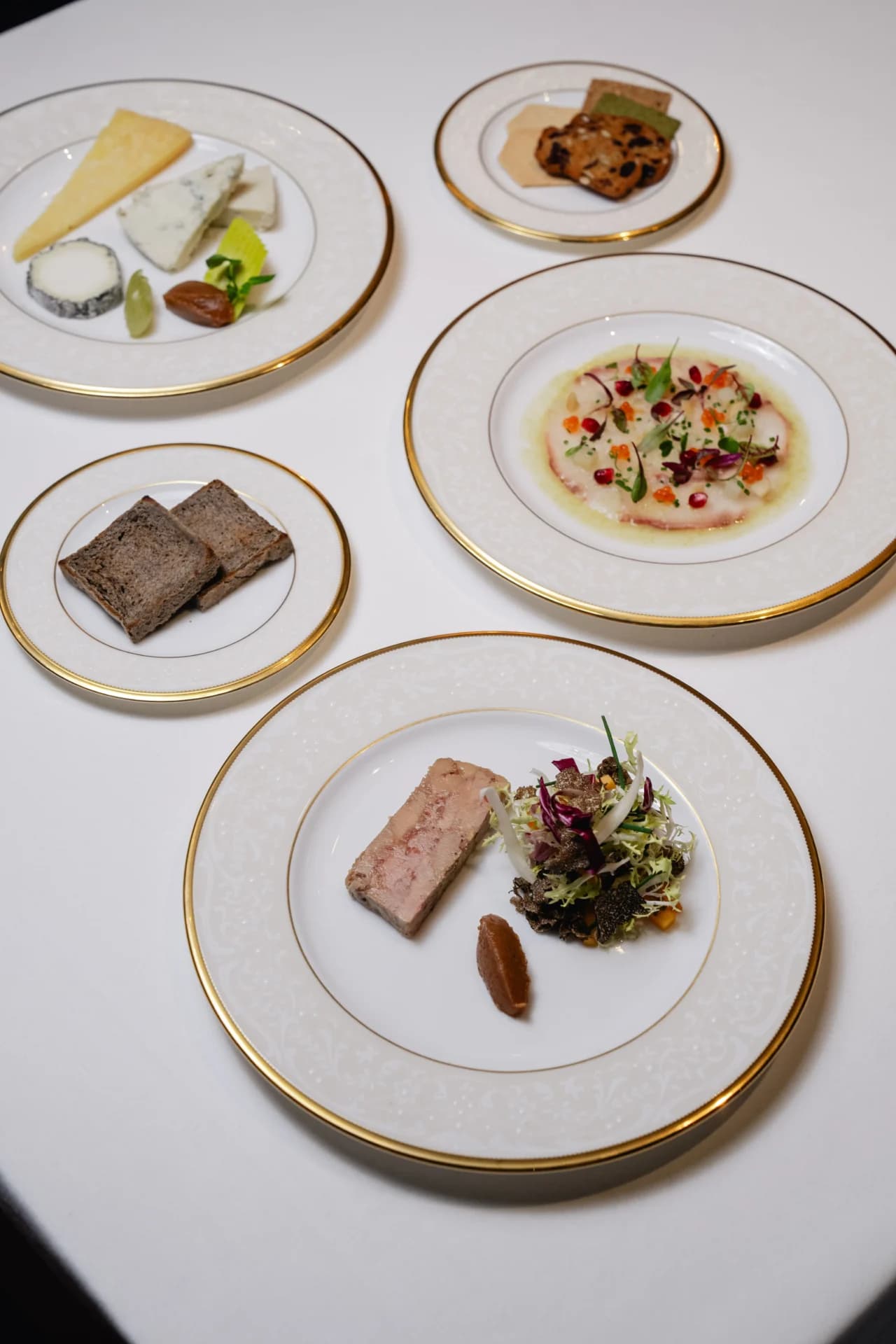
Zen Japanese cooking is often celebrated for its elegance, simplicity, and balance, offering a mindful approach to dining. Yet beyond flavour, it represents a way of life rooted in mindfulness. Each dish tells a story of respect for nature, seasonality, and harmony. At its core, mindful Japanese cooking embodies Zen principles, encouraging people to slow down, savour, and connect with food on a deeper level.
The Philosophy Behind Zen Japanese Cooking
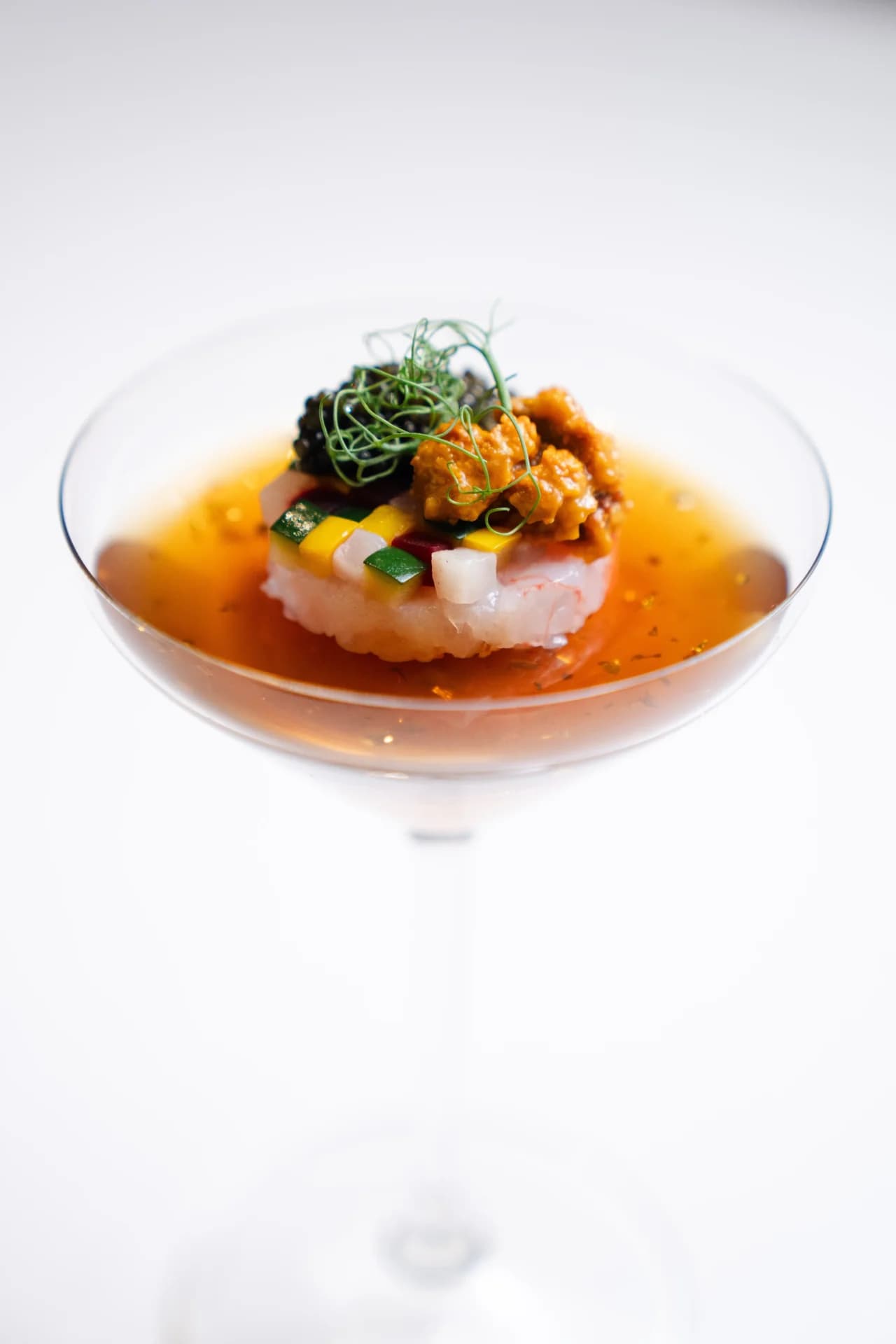
Japanese cooking draws upon washoku, which translates to “harmony of food.” More than a culinary style, it is a cultural philosophy recognised by UNESCO as an intangible heritage of humanity. Washoku emphasises equilibrium in taste, texture, colour, and nutrition, ensuring meals provide both nourishment and aesthetic pleasure.
Every step in the kitchen is intentional. From the careful slicing of vegetables to the delicate placement of garnish, nothing is rushed. Chefs treat ingredients with reverence, appreciating their aroma, shape, and seasonality. This mindful process results in meals that nurture both body and soul.
Balance in Every Bite
Unlike cuisines that rely heavily on spices, Japanese food seeks subtlety and balance. Meals often follow the traditional ichiju-sansai structure: one soup, three side dishes, and rice. Each element contributes something distinct, whether through texture, flavour, or temperature.
A Symphony of Flavours
Japanese dishes highlight the natural qualities of their ingredients. Diners experience all five tastes – sweet, salty, sour, bitter, and umami – but never in overwhelming measure. Miso soup, lightly pickled vegetables, and grilled fish are common components, working together in harmony rather than competition.
Colours and Seasons
Visual beauty is as important as taste. The use of five colours – red, green, yellow, white, and black – not only pleases the eye but ensures nutritional variety. Seasonal produce reflects nature’s cycle, reminding people to eat in rhythm with the changing year. Spring menus often feature fresh greens, while autumn favours earthy mushrooms and root vegetables.
Beauty in Zen Japanese Cooking
For Japanese chefs, food presentation is an art form. Meals are not simply placed on a plate; they are carefully arranged to inspire calm and appreciation. This belief echoes Zen aesthetics, where simplicity and beauty encourage inner peace.
Plating with Precision
Chefs arrange dishes with space and intention, much like strokes on a painting. Contrasting textures and shapes add visual intrigue, while minimalism ensures elegance. The result is a table that feels as balanced as the meal itself.
Nature as the Muse
Tableware often mirrors the season. Cherry blossom motifs appear in spring, while autumn brings earthy designs and leaf patterns. This attention to detail draws diners closer to the natural world, making each meal feel like a reflection of the environment outside.
Cooking with Intention
Mindful Japanese cuisine begins with purpose. Every ingredient and cooking method is chosen to highlight natural flavours rather than mask them. Simplicity is valued, yet beneath it lies immense care.
Respecting the Ingredients
Waste is minimised. From stem to leaf, ingredients are used thoughtfully, showing gratitude for the effort that went into producing them. Techniques such as steaming, grilling, and pickling preserve purity and enhance flavour. This mindful use of resources also aligns with modern values of sustainability.
The Role of Simplicity
While dishes may seem uncomplicated, their elegance lies in restraint. A few well-chosen ingredients, prepared with skill and intention, can provide a meal that feels complete without excess.
Zen Japanese Cooking at the Dining Table
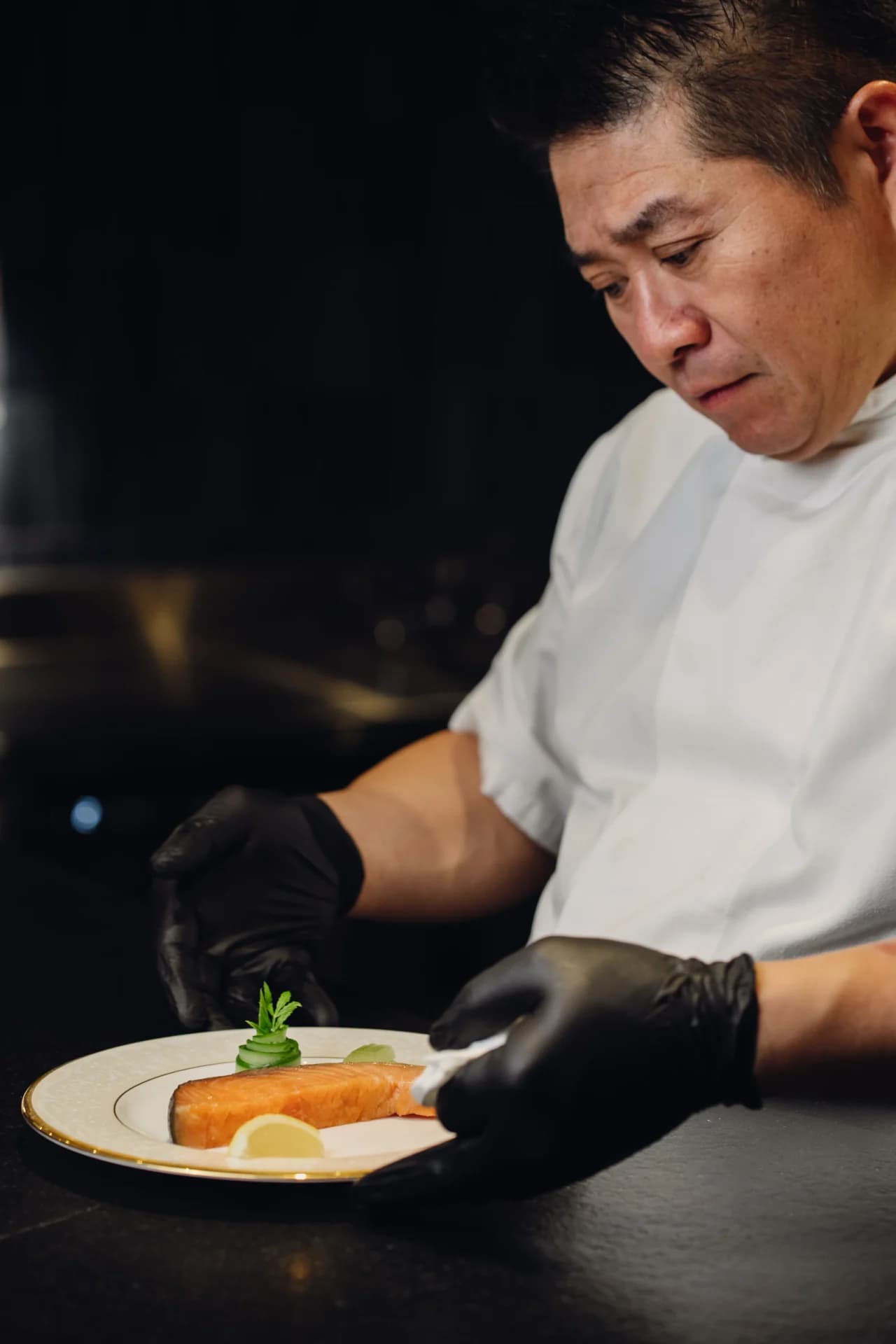
In Japan, eating itself is considered a mindful ritual. Before meals, diners say itadakimasu – “I humbly receive” – as a sign of gratitude to those who grew and prepared the food. At the end, gochisousama thanks the cook for the feast.
Meals are often enjoyed quietly, encouraging focus on flavours, textures, and colours. Eating slowly not only improves digestion but also deepens appreciation for the food and the moment.
Bringing Zen Principles to Modern Kitchens
Mindful Japanese cooking is not reserved for professionals. Anyone can introduce its principles into everyday life, even in small ways.
Simple Practices to Try
- Choose fresh, seasonal produce whenever possible.
- Use fewer ingredients, but treat them with care.
- Present meals thoughtfully, leaving space on the plate.
- Pay attention to colour and variety.
- Eat slowly, showing gratitude before and after the meal.
Even modest changes can transform dining into a calming ritual that offers both nourishment and peace.
Why Mindful Eating Matters Today
In a world dominated by convenience foods and constant distractions, mindful Japanese cuisine offers an antidote. It reminds people to pause, appreciate the present, and reconnect with nature and tradition.
The Zen-inspired approach to cooking and eating demonstrates that food is not merely sustenance; it is a path to balance, beauty, and gratitude. By embracing these practices, individuals can turn everyday meals into moments of mindfulness – enriching both body and spirit.