
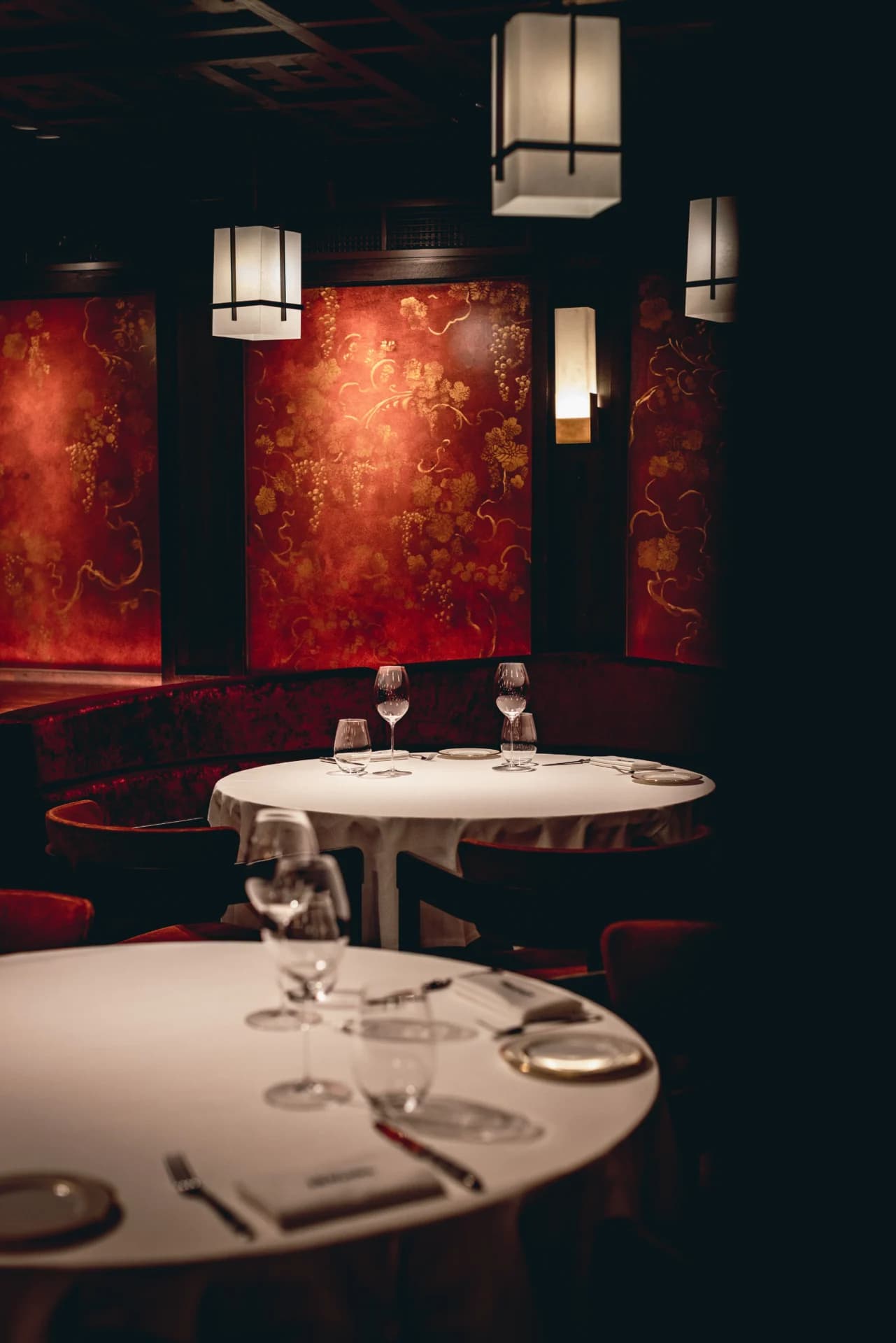
Japanese food has travelled far beyond its islands. Today, people across Britain enjoy sushi, ramen, and matcha with ease. However, behind each dish lies centuries of tradition, innovation, and cultural meaning. This article explores Japanese food culture in a way that connects with British readers, showing why its flavours and values have found such a strong home in the UK.
Japanese Food Culture and Rice
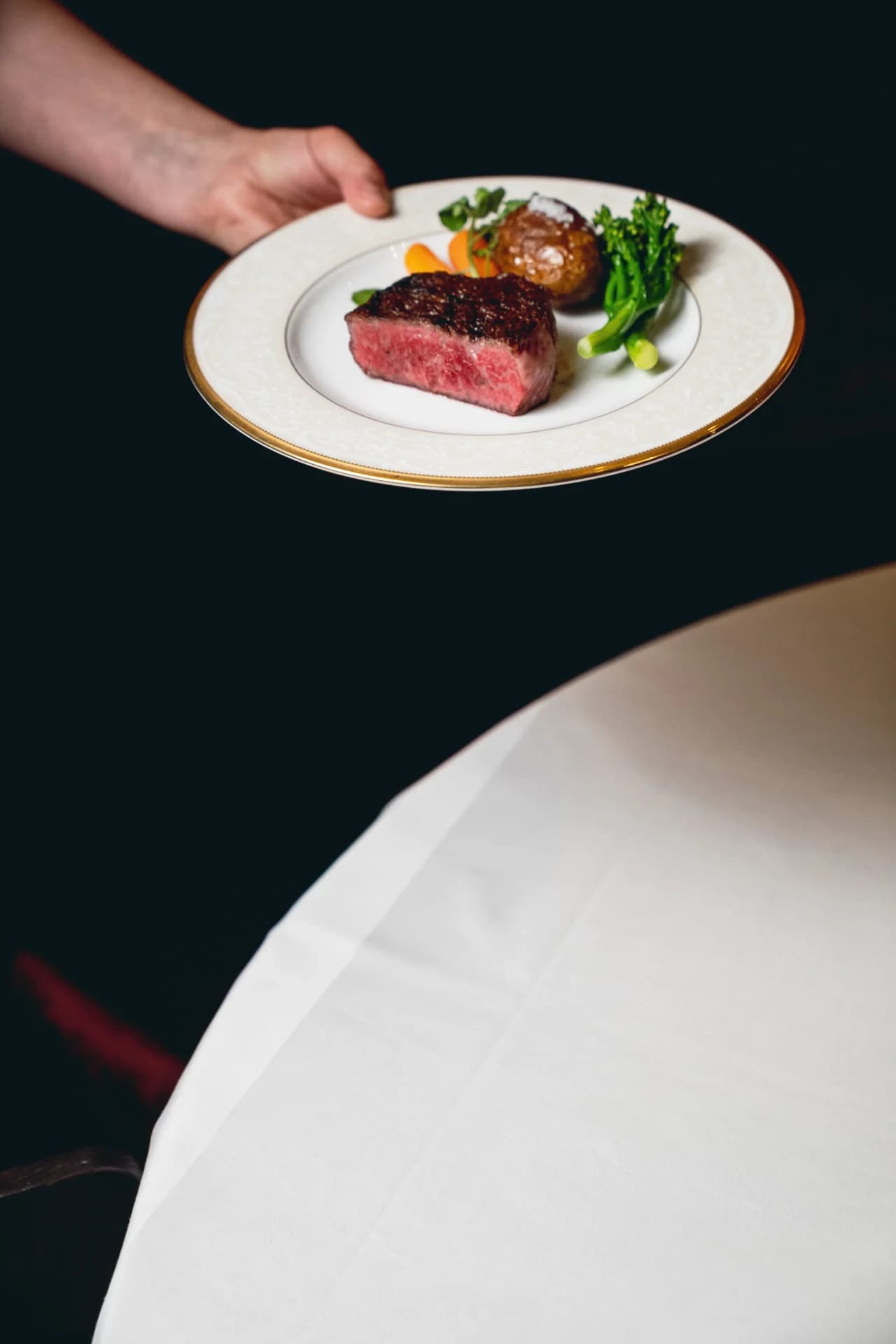
Rice has shaped Japanese life for over two thousand years. Farmers first planted it in wet fields, creating harvests that became central to daily meals. Over time, rice became more than food. It turned into a cultural symbol, used in rituals and even as payment during earlier centuries.
Today, rice still appears in many forms. From simple bowls of steamed grains to delicate sushi rolls, it remains at the heart of Japanese cuisine. British diners now appreciate sushi rice as much as they enjoy basmati or arborio, linking two food-loving cultures through grains.
The Role of Religion and Simplicity
Religion also shaped food traditions. With the spread of Buddhism in Japan, many people avoided meat for centuries. Instead, meals focused on vegetables, tofu, and grains. This led to an elegant style of cooking that highlighted natural flavours.
As time passed, Japanese chefs created refined dishes that celebrated balance and purity. These values still guide Japanese cooking today. British diners who prefer lighter meals often find comfort in this clean, simple style.
Japanese Food Culture and Traditions
Honzen and Kaiseki
In earlier times, formal meals called honzen followed strict rules. Guests sat before trays of carefully arranged dishes, each with symbolic meaning. Later, another style called kaiseki developed from the tea ceremony. It placed focus on harmony between food, season, and setting.
Kaiseki continues today in Japan’s finest restaurants. Diners enjoy multiple small courses, each prepared with precision. Many visitors from Britain travel to Japan to experience this artistry first-hand, often linking food with cultural exploration.
From Formal to Casual
While honzen and kaiseki shaped tradition, everyday meals were simpler. Families enjoyed rice, soup, and side dishes of vegetables or fish. This balance between simple daily fare and formal banquets shows the versatility of Japanese food culture.
The Arrival of New Flavours
Tempura and Global Influence
Japanese cuisine did not stay isolated. In the 16th century, Portuguese traders introduced frying techniques. This led to tempura – lightly battered seafood and vegetables – now loved worldwide.
Today, tempura appears on many menus in Britain. Whether at a fine dining spot or a casual eatery, it bridges East and West.
Ramen and Curry Rice
During the 19th century, Japan welcomed more global influences. Chinese noodles evolved into ramen, now a favourite comfort food. British diners queue for steaming bowls across cities like London, Edinburgh, and Manchester.
At the same time, Japan adapted curry from Europe and India. Japanese curry rice is mild yet rich, and increasingly popular in the UK.
Japanese Food Culture in Britain
Sushi’s Rise
Sushi began as a street food in Japan but became a symbol of refined taste. In Britain, it rose in popularity during the late 20th century. Today, sushi chains and independent restaurants alike serve rolls, nigiri, and sashimi to eager customers.
This rise mirrors Britain’s broader shift towards healthier eating. With its focus on fresh fish and vegetables, sushi fits perfectly into modern British diets.
Matcha, Tea, and Beyond
Green tea holds special meaning in Japan, tied to mindfulness and hospitality. The UK, famous for its own tea culture, has warmly embraced Japanese matcha. Matcha lattes, cakes, and desserts now appear in cafés from London to Leeds.
This blending of tea traditions shows how two cultures meet over a shared love of rituals and flavours.
Dining Customs and Manners
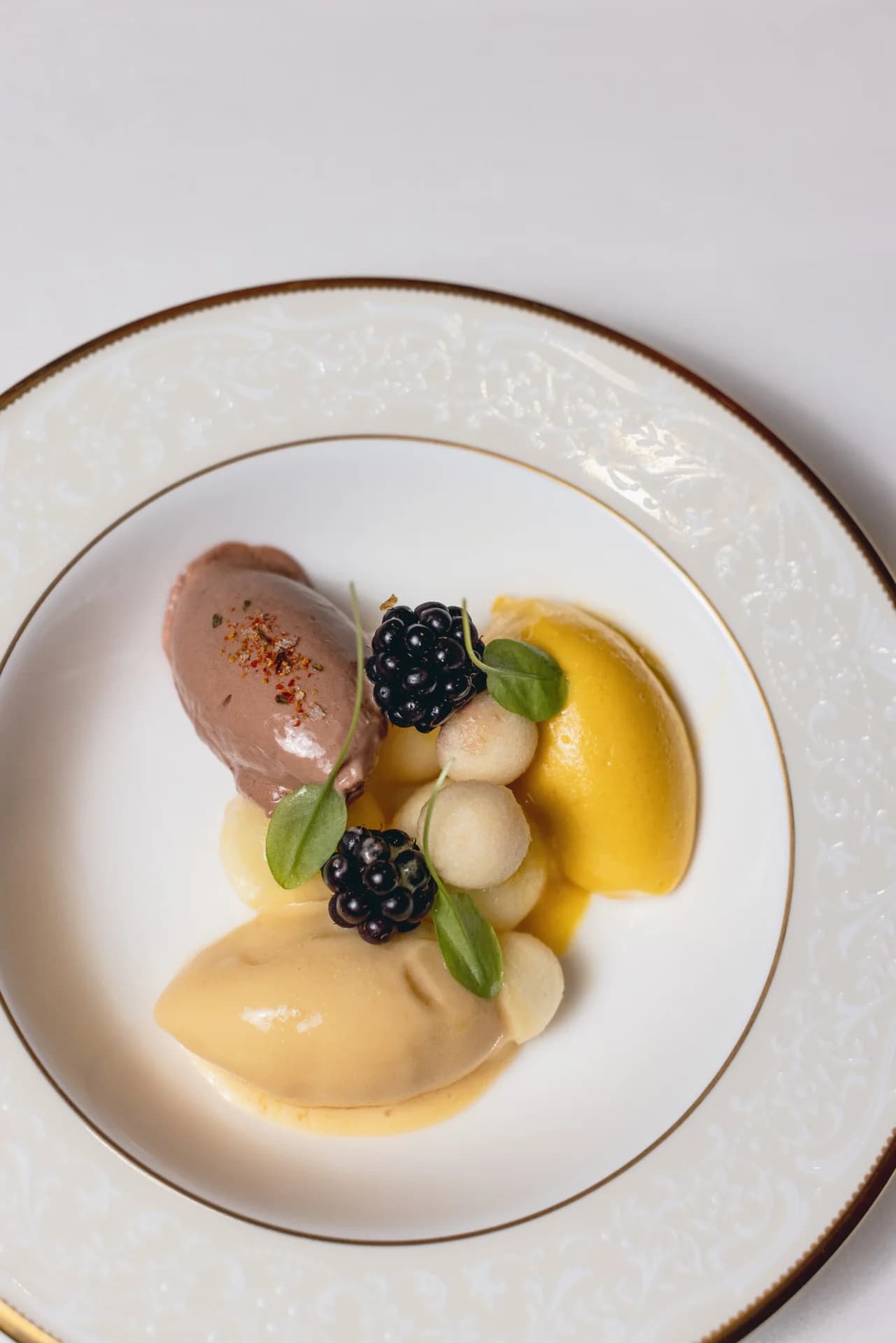
Japanese dining also values respect. Diners often say itadakimasu before meals, a phrase meaning “I humbly receive.” After finishing, they say gochisousama, thanking those who prepared the food.
Chopsticks bring another layer of etiquette. For example, never stick them upright in rice, as it resembles a funeral practice. British diners who learn these customs often deepen their connection with Japanese culture.
Japanese Food Culture Worldwide
Japan’s food culture balances tradition with innovation. It blends ancient rice farming with modern global trends. It respects the seasons while adapting foreign influences into local favourites.
For British food lovers, this mix feels both exciting and approachable. Whether through sushi rolls, steaming bowls of ramen, or delicate cups of matcha, Japanese cuisine offers comfort and adventure in equal measure.
Conclusion
Japanese food culture reflects history, religion, and artistry while embracing change. Its values of balance, respect, and seasonality connect deeply with modern tastes. In Britain, where diversity and discovery shape daily dining, Japanese cuisine feels right at home.
From sushi counters in London to ramen houses in Glasgow, Japan’s flavours continue to inspire. For British diners, exploring Japanese food culture is not just about eating – it is about experiencing tradition, innovation, and a shared love of great food.